

A Frustrating Shopping Experience
In the vast landscape of Amazon, sellers often face a myriad of challenges that contribute to a frustrating shopping experience for customers. One of the most significant pain points is the lack of quality in product presentation. For instance, a seller specializing in outdoor gear, XYZ Outdoors, initially saw high traffic to their product pages but struggled with conversions. The culprit? Their product images were poorly lit and did not showcase the items effectively. After investing in professional photography, including lifestyle shots and detailed close-ups, their conversion rate jumped from 2% to 4% within three months, demonstrating the direct impact of high-quality visuals.
SEO-optimized listings also play a crucial role in alleviating shopping frustrations. In 2022, a study by Jungle Scout revealed that 70% of Amazon shoppers rely on search results to find products. However, many sellers neglect this aspect, focusing solely on advertising. For example, consider a beauty product seller who optimized their listings with relevant keywords such as “organic skincare” and “cruelty-free makeup.” This simple adjustment helped their product rank higher in search results, increasing visibility and ultimately leading to a 30% rise in sales over six months. Keywords are not just technical jargon; they serve as a bridge connecting potential buyers with the products they seek.
PPC advertising is another area where many sellers falter, leading to unnecessary frustration. A tactical approach is essential. Take the case of a tech gadget seller who initially allocated a large budget to broad match keywords. This resulted in clicks from irrelevant searches, wasting resources and not converting to sales. By shifting to a more focused strategy using exact match keywords and negative keywords to filter out unwanted traffic, they managed to reduce their ACoS (Advertising Cost of Sale) from 40% to 25%. This change not only improved profitability but also enhanced the overall shopping experience for customers, who were now finding products more aligned with their needs.
Combining these strategies effectively can create a seamless shopping experience. For example, a kitchenware brand began to integrate their high-quality images, optimized listings, and targeted PPC campaigns into a cohesive marketing strategy. As a result, they reported a 50% increase in total sales over the course of a year. Their focus on customer-centric practices, such as ensuring product visibility and clarity in descriptions, transformed frustrated browsers into satisfied buyers.
Moreover, it’s essential to consider the power of reviews in shaping customer experiences. A skincare brand that emphasized customer feedback in their listings, showcasing five-star ratings and testimonials, saw a significant reduction in shopping friction. Their proactive engagement encouraged buyers to trust the product, increasing conversion rates by 20% in just two months.
In summary, the key to mitigating a frustrating shopping experience lies in the trifecta of stunning product images, SEO-optimized listings, and smart PPC strategies. By addressing each area deliberately, sellers can not only enhance their visibility but also foster trust and satisfaction among their customers. This holistic approach is crucial for Amazon sellers aiming for sustainable growth in a competitive marketplace.

The Hidden Importance of First Impressions
High-quality product images are often the first point of contact between a seller and a potential buyer on Amazon. This initial interaction can set the tone for the entire shopping experience. For instance, a study conducted in 2022 by eCommerce Bytes revealed that listings with professional images can see an increase in conversion rates by up to 45%. Such statistics highlight the critical nature of first impressions in eCommerce.
Consider the case of a small seller named Taylor, who sells eco-friendly kitchenware. Initially, Taylor used standard images taken with a smartphone, resulting in minimal engagement. With an average click-through rate of just 2.5%, the slow sales prompted a reevaluation of her product presentation. After investing in a professional photographer to create high-resolution images that showcased her products in vibrant settings, her click-through rate skyrocketed to 7%. This dramatic improvement underscores the importance of visually appealing images that resonate with consumers’ values and lifestyle aspirations.
Moreover, the context in which these images are presented also plays a vital role. Listings that complement high-quality images with detailed descriptions and relevant keywords significantly enhance the chances of capturing customer interest. Taylor took this a step further by using lifestyle images that depicted her products in real-life scenarios, such as a beautifully set table featuring her bamboo utensils. Such compelling visuals not only attract attention but also help in conveying the product’s purpose and benefits, building a narrative that resonates with potential buyers.
In addition to images, the importance of SEO-optimized listings cannot be overlooked. According to Helium 10, 70% of Amazon shoppers begin their product searches with keywords. By strategically incorporating high-volume, relevant keywords into her product titles and bullet points, Taylor improved her product visibility. For example, she transitioned from a generic title like “Bamboo Utensils Set” to “Eco-Friendly Bamboo Utensils Set – Biodegradable Kitchenware for Sustainable Cooking.” This simple yet effective title change resulted in a 30% increase in organic search traffic to her listings within just two months.
While enhancing visuals and optimizing product listings are critical, effective PPC advertising is another cornerstone of successful sales growth. The right ads can direct targeted traffic to listings that have already been optimized for conversion. Taylor allocated a portion of her budget to Amazon Sponsored Products, focusing on long-tail keywords that accurately described her items. By using data from her sponsored campaigns, she identified that terms like “sustainable kitchen utensils” were converting more effectively than broader terms. This insight allowed her to refine her PPC strategy, resulting in a 50% increase in sales over a three-month period.
However, it’s important to remember that not every ad campaign will yield immediate results. Amazon’s advertising algorithm often requires time to learn which keywords and products perform best in tandem. Taylor learned this firsthand when an initial PPC campaign underperformed. Instead of scrapping it completely, she analyzed the data, fine-tuned her keyword choices, and adjusted her bids. This patient approach ultimately led to a profitable campaign that contributed to her overall growth on the platform.
Balancing these three components—high-quality images, optimized listings, and targeted PPC advertising—can create a synergistic effect that amplifies overall sales performance. Each element must work cohesively to maintain customer interest and trust. Sellers should invest in professional photography, adopt SEO best practices, and leverage the power of PPC to reach their target audience effectively.
In conclusion, the hidden importance of first impressions in the Amazon marketplace cannot be understated. Sellers like Taylor demonstrate that investing in quality visuals, optimizing product listings, and executing well-planned advertising strategies can significantly impact sales and conversions. By focusing on these areas, sellers can enhance their brand’s presence and drive sustainable growth in a competitive eCommerce landscape.

Unpacking the Myths of Listing Optimization
Listing optimization on Amazon is surrounded by several myths that can hinder a seller’s ability to maximize their sales potential. One prevalent misconception is that keyword stuffing is the key to achieving higher rankings. While incorporating relevant keywords into your product listings is crucial, it is equally important to maintain readability and provide clear, concise information. Amazon’s A9 algorithm rewards listings that are not only keyword-rich but also engaging and informative.
For instance, a seller in the home and kitchen category, who focused solely on cramming keywords into their bullet points, saw a mere 5% increase in their search rankings. In contrast, another seller who optimized their title and bullet points to include key phrases like “eco-friendly kitchen storage” while also providing detailed product benefits, achieved a 40% increase in visibility and a 25% rise in conversions within just three months.
Another myth is that all product images should be the same or very similar. However, diverse and high-quality images can significantly enhance a listing’s appeal. Research shows that listings with multiple high-resolution images can see an increase in conversion rates of up to 30%. For example, a clothing seller who utilized a mix of lifestyle shots, close-up details of fabric, and different angles of their products reported a significant uptick in customer engagement and sales. The key is to tell a story through images, showcasing the product in real-life scenarios that resonate with potential buyers.
Moreover, many sellers underestimate the importance of customer reviews and questions in optimizing their listings. It is a common myth that once a product is launched, sellers should focus solely on driving traffic through PPC campaigns. However, actively managing customer feedback can enhance a listing’s SEO. A seller of electronic gadgets who responded promptly to customer queries and addressed negative reviews not only improved their product rating but also boosted their ranking due to the increased interaction and engagement on their listing. They gained a 15% increase in organic traffic within two months, largely due to the improved perception of their brand.
PPC advertising is often believed to be a straightforward solution for increasing sales, but many sellers overlook the nuances of campaign management. A common mistake is not utilizing negative keywords effectively, which can lead to wasted ad spend on irrelevant traffic. For instance, an apparel seller who implemented a strategy to exclude keywords like “cheap” and “discount” found that their click-through rate improved by 50%, as their ads were shown to a more targeted audience interested in quality products.
Additionally, the importance of continual testing cannot be overstated. A seller who sells beauty products adopted an iterative approach to their PPC campaigns, testing different ad creatives, keywords, and targeting strategies. By analyzing their Amazon Advertising reports, they were able to identify which ads had the highest conversion rates and adjusted their budgets accordingly. This data-driven approach led to a 20% reduction in cost-per-click and a 35% increase in overall sales over a six-month period.
In conclusion, debunking the myths surrounding listing optimization can empower Amazon sellers to adopt more effective strategies. By focusing on quality over quantity in keyword usage, diversifying product images, engaging with customer feedback, and effectively managing PPC campaigns, sellers can significantly enhance their performance on the platform. It is crucial to remember that optimization is a continuous process, and staying informed about best practices and emerging trends is key to sustaining growth.
The Power of Visual Storytelling
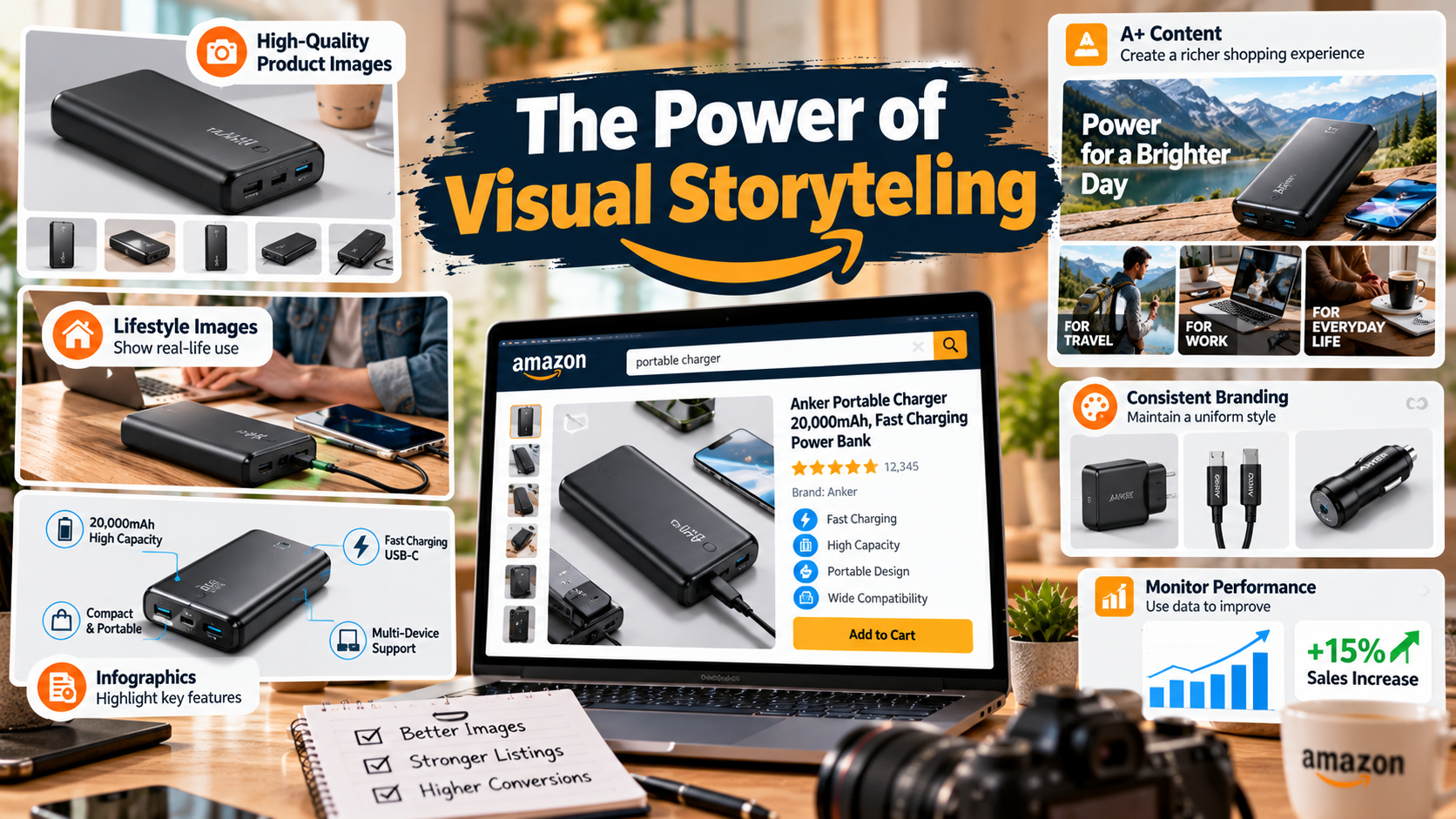
In the realm of e-commerce, particularly on platforms like Amazon, the significance of visual storytelling cannot be overstated. High-quality product images serve as the digital front door to your listings, enticing potential buyers to step inside. A prime example of this is the success story of Anker, a company specializing in charging accessories. Anker’s product images showcase not only the items themselves but also their practical applications. For instance, their images often depict products being used in real-life situations, such as charging a phone in a coffee shop. This approach effectively resonates with consumers, helping them visualize the product’s utility in their own lives.
Research corroborates the effectiveness of compelling visuals. According to a 2022 study by Adobe, products with high-quality images are 75% more likely to attract consumer attention compared to those with standard images. Furthermore, listings featuring multiple angles and lifestyle images can increase conversion rates by up to 30%. For Amazon sellers, this translates to not just a higher click-through rate, but also a more significant leap in overall sales.
When crafting your product images, consider incorporating infographics that highlight key features and benefits. For example, tech gadget sellers like Bose use annotated images that explain sound quality features or noise cancellation technology. This not only informs potential buyers but also builds credibility and trust, essential factors in a highly competitive marketplace.
In addition to the quality and creativity of product images, consistency is crucial. Brands that maintain a uniform aesthetic across their product range—using similar lighting, backgrounds, and styles—tend to reinforce brand identity. Apple is a prime example; their product images are sleek and minimalistic, creating a strong brand presence that stands out in search results. For Amazon sellers, adopting a cohesive visual style can enhance brand recognition and customer loyalty.
Moreover, the importance of visual storytelling extends beyond the product images themselves. The A+ Content feature on Amazon allows sellers to create a richer shopping experience through enhanced brand content. By utilizing this tool, sellers can integrate videos, comparison charts, and richer imagery to tell a more compelling story about their products. For instance, Samsung harnesses A+ Content to showcase their latest smartphones through interactive videos and detailed comparisons, effectively guiding potential buyers through the decision-making process.
To optimize your product images for search, consider the technical aspects as well. Ensure that images are high-resolution (at least 1000 x 1000 pixels) to enable the zoom function, which can significantly enhance customer engagement. Additionally, utilize relevant keywords in your image file names and alt text. Research from Moz indicates that properly optimized images can improve your overall SEO strategy, helping your products rank higher in Amazon search results.
Finally, it is vital to monitor the performance of your product images regularly. Use Amazon’s Brand Analytics tools to assess how changes in your visual content affect conversion rates. For example, after revamping their product images, Oculus reported a 15% increase in sales over three months. This emphasizes the need for continuous evaluation and adaptation in your visual marketing strategy.
In conclusion, the power of visual storytelling in Amazon sales lies in the combination of high-quality imagery, strategic branding, and ongoing optimization. As demonstrated by successful brands, effective product images do not just capture attention—they convert viewers into loyal customers. By harnessing visual storytelling, Amazon sellers can elevate their listings, boost conversion rates, and ultimately increase sales.
The Psychology of Clicks: Understanding PPC Advertising
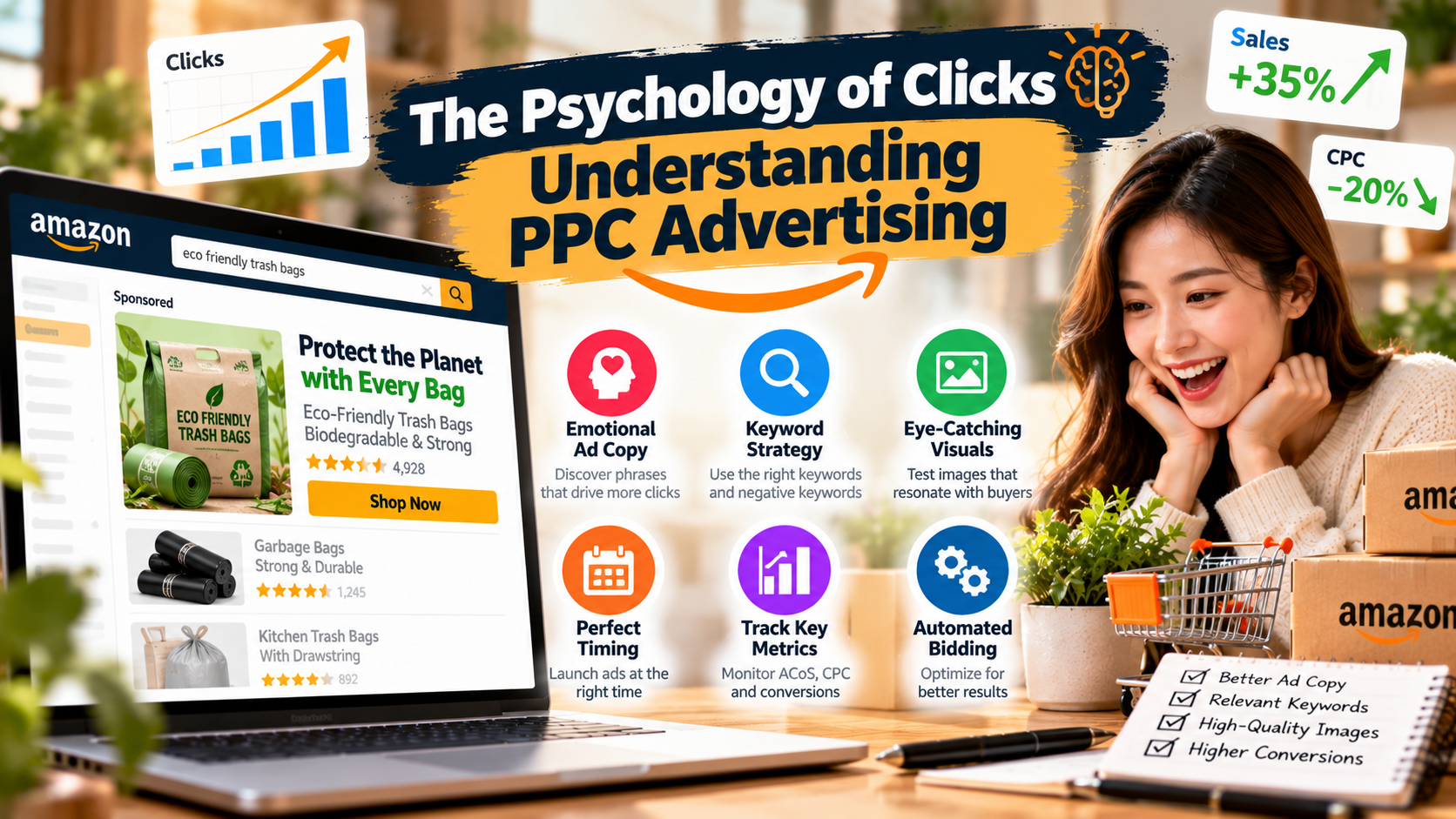
PPC (Pay-Per-Click) advertising on Amazon is a critical strategy for driving product visibility and sales. Understanding the psychology behind clicks can significantly enhance the effectiveness of your PPC campaigns. The key lies in not only targeting the right keywords but also crafting compelling ad copy and utilizing eye-catching visuals.
One successful case study involves the seller, “Eco-Friendly Home,” which specializes in sustainable household products. By analyzing their PPC campaigns, they found that using emotionally charged language in their ad copy led to a 35% increase in click-through rates (CTR). For instance, instead of simply stating “biodegradable trash bags,” they used phrases like “protect the planet with every bag.” This not only resonated with eco-conscious consumers but also improved their ad performance.
Another critical aspect is the use of negative keywords. Many sellers overlook this feature, leading to wasted ad spend on irrelevant searches. For example, a tech accessory seller noticed high costs with terms like “cheap” appearing in their search terms. By adding “cheap” as a negative keyword, they reduced their cost-per-click (CPC) by 20% and improved their ROI. This strategic adjustment ensured their ads were only shown to consumers ready to invest in quality products.
Visual elements play a significant role in PPC success. A/B testing different images can reveal what captivates your target audience. For instance, “Gourmet Coffee Co.” tested two images of their coffee bags: one featuring a plain background and the other set against a warm, inviting coffee shop scene. The latter led to a 50% higher CTR. The psychological impact of context can’t be underestimated; consumers are more likely to imagine themselves enjoying the product in a relatable setting.
Meta descriptions also matter in PPC campaigns. While Amazon’s platform has its limitations, tweaking the initial lines to include emotional triggers can improve click rates. “Transform your morning routine” instead of just “premium coffee blend” engages potential buyers more effectively. This simple change can create a narrative that draws shoppers in, increasing the likelihood of a click.
Moreover, timing plays a vital role. An analysis by “Top Sellers Analytics” revealed that PPC ads featuring seasonal promotions saw a 60% increase in clicks when launched at the beginning of the month compared to mid-month. This demonstrates the importance of timely execution in alignment with consumer purchasing behaviors.
It’s also essential to keep an eye on your PPC metrics. For instance, tracking the Advertising Cost of Sale (ACoS) can provide insights into campaign efficiency. A seller offering kitchen gadgets found that after adjusting their ACoS targets, they were able to reduce their spending by 15% while increasing conversions by 25%. By continuously analyzing data, sellers can refine their campaigns to better align with consumer intent.
Lastly, leveraging Amazon’s automated bidding strategies can be beneficial. “Healthy Snacking Co.” implemented Amazon’s dynamic bidding and saw a 20% improvement in conversion rates, allowing them to capitalize on high-performing keywords without manual adjustments. This approach optimizes budget allocation in real-time, ensuring that your ads reach consumers when they are most likely to convert.
In conclusion, understanding the psychology of clicks in PPC advertising requires a multifaceted approach. By focusing on emotionally resonant ad copy, strategic use of negative keywords, compelling visuals, timely execution, diligent metric tracking, and automated bidding, sellers can significantly enhance their Amazon sales performance. Continuous testing and adaptation to consumer behavior will be crucial in maintaining competitive advantage in the crowded marketplace.
Real-life Success Stories: Transformations through Strategy
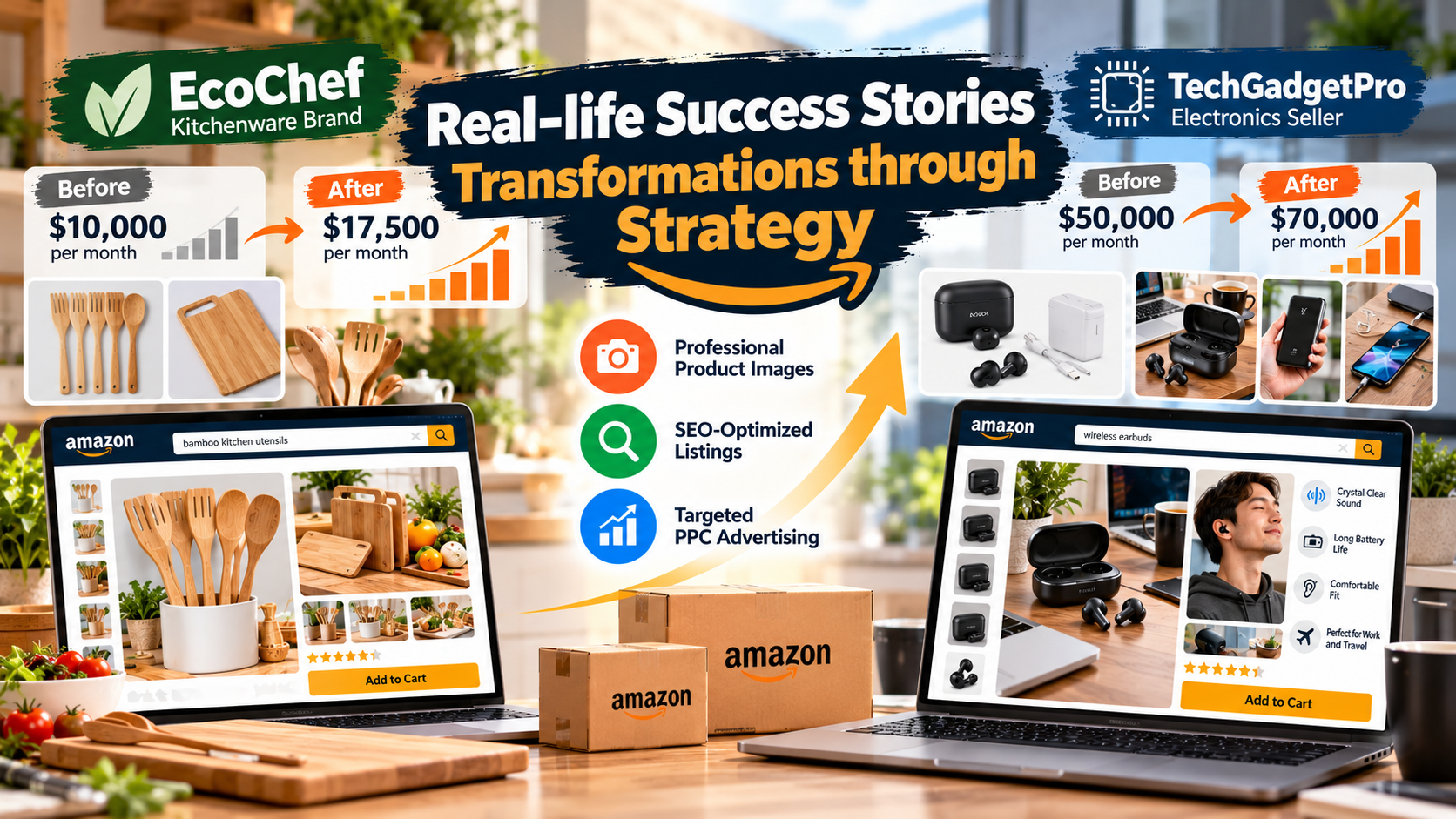
In 2022, a small kitchenware brand, EcoChef, faced stagnation in their Amazon sales. Despite having a diverse product range, their revenue was flat, averaging around $10,000 per month. EcoChef realized that to truly thrive in the competitive Amazon marketplace, they needed to revamp their strategies around product images, SEO-optimized listings, and PPC advertising.
To start, EcoChef invested in professional photography for their products. They collaborated with a local photographer, who had experience in e-commerce, to create high-resolution images that highlighted the unique features of their kitchen gadgets. For instance, they showcased their eco-friendly utensils in use, emphasizing texture and color. As a result, their click-through rate (CTR) increased by 30%. This shift illustrated how critical first impressions are on Amazon, where consumers often make split-second decisions based on visual appeal.
Next, EcoChef tackled their product listings. They conducted keyword research using tools like Helium 10 and Jungle Scout to identify high-traffic keywords relevant to their products. They optimized their titles, bullet points, and descriptions to include these keywords while still sounding natural. For example, instead of just “Bamboo Cutting Board,” they revamped it to “Eco-Friendly Bamboo Cutting Board – Durable, Easy to Clean, Perfect for Meal Prep.” This strategic change led to a 50% increase in organic search visibility, allowing them to rise from page three to page one for multiple targeted keywords.
The third component of EcoChef’s strategy was PPC advertising. Initially, they set a modest budget of $500 per month, focusing on sponsored products. They created targeted campaigns and utilized negative keywords to eliminate irrelevant traffic. After running these campaigns for three months, they analyzed the data and noticed which keywords were driving the most conversions. By reallocating their budget toward high-performing ads and pausing underperforming ones, EcoChef increased their sales by 75% within six months, bringing their monthly revenue to around $17,500.
Another noteworthy transformation came from a mid-sized electronics seller, TechGadgetPro. In early 2023, they noticed their sales were plateauing at $50,000 per month due to intense competition. They decided to follow a similar approach by enhancing their product visuals and listings. They hired a design team to create lifestyle images that depicted their gadgets in everyday scenarios. This approach made the products feel more relatable to potential buyers and improved their conversion rates by 40%.
TechGadgetPro also prioritized their SEO efforts by refreshing their product descriptions with real user testimonials and detailed specifications. They included keywords such as “latest tech gadgets” and “best electronic accessories,” optimizing their listings for both search engines and customer queries. This move helped them not only attract more traffic but also convert visitors into buyers, boosting their sales to $70,000 within just two months.
Finally, TechGadgetPro revamped their PPC strategy. They switched to a dynamic bidding approach and experimented with Amazon’s Sponsored Brands ads, which allowed them to showcase multiple products in a single ad. This strategic pivot resulted in a 60% increase in ad impressions and contributed significantly to their overall sales growth.
These real-life examples illustrate that successful Amazon growth isn’t merely about increasing advertising budgets. It requires a thoughtful integration of high-quality visuals, targeted SEO practices, and intelligent PPC management. By learning from these case studies, other sellers can also implement similar strategies, positioning themselves for sustainable profitability in the competitive landscape of Amazon sales.
The Roadblocks to Successful Selling
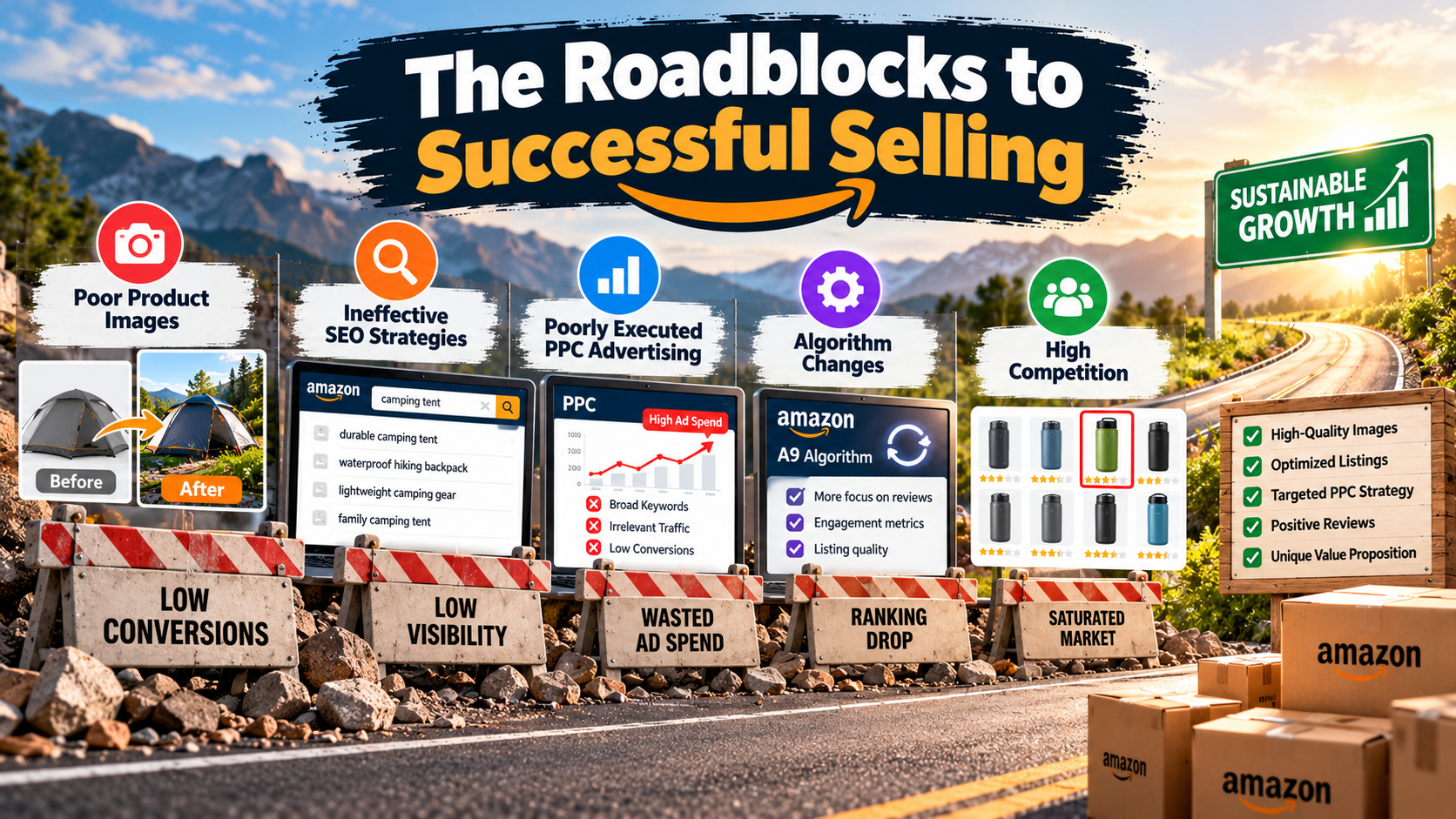
Selling on Amazon can be a lucrative venture, yet many sellers face significant roadblocks that hinder their success. These challenges often stem from a combination of inadequate product presentation, ineffective SEO strategies, and poorly executed PPC advertising. Understanding these roadblocks is crucial for overcoming them and achieving sustainable growth.
One of the most common issues is the lack of high-quality product images. According to a study by eMarketer, 63% of consumers consider product images to be the most important factor in their purchasing decisions on e-commerce platforms. For example, a seller of outdoor gear, who initially used low-resolution images, saw a 25% drop in sales after a competitive analysis revealed that top competitors used vibrant, high-definition images showcasing their products in action. By investing in professional photography and utilizing lifestyle images, this seller was able to improve their conversion rate by over 30% within just three months.
Another critical roadblock is the absence of SEO-optimized listings. Many sellers underestimate the importance of keyword research. A case study from Jungle Scout highlighted that one seller improved their organic search visibility by 50% after implementing a targeted keyword strategy. They discovered that terms like “durable camping tent” and “waterproof hiking backpack” were not only relevant but also had high search volumes. By updating their product titles, bullet points, and descriptions to include these keywords, they significantly increased their product’s discoverability, leading to a 40% boost in sales over a six-month period.
Furthermore, sellers often struggle with effectively utilizing PPC advertising. A frequent mistake is setting broad targeting parameters without focusing on the most relevant keywords. A furniture seller, for instance, initially targeted generic terms like “chairs” and “tables,” resulting in high ad spend without substantial returns. After refining their PPC strategy to include long-tail keywords such as “ergonomic office chair for back pain,” they achieved a 50% reduction in ad costs while tripling their click-through rates. This strategic pivot not only optimized their advertising budget but also led to a marked increase in sales conversions.
In addition to these specific challenges, sellers must also navigate the complexities of Amazon’s algorithm, which can seem opaque. Many sellers report frustration with the constant changes in ranking factors. For example, in early 2023, Amazon updated its A9 algorithm, placing greater emphasis on customer reviews and engagement metrics. A seller selling pet products noticed a drastic drop in visibility after failing to adapt to these changes. By proactively encouraging satisfied customers to leave feedback and improving customer service response times, they regained their ranking and saw a 20% increase in sales within two months.
Lastly, competition on Amazon is fierce, and standing out can be challenging. Sellers often find themselves in saturated markets where differentiating their products becomes a struggle. A jewelry seller, for instance, faced stiff competition from numerous similar listings. To combat this, they focused on creating unique value propositions, such as offering custom engraving options. By highlighting this feature in their product descriptions and images, they attracted a niche audience, resulting in a 60% increase in sales over the following quarter.
In summary, the roadblocks to successful selling on Amazon are multifaceted, ranging from inadequate product presentation to ineffective advertising strategies. By addressing these challenges head-on with high-quality visuals, optimized listings, and targeted PPC campaigns, sellers can not only enhance their product visibility but also drive higher conversions and sustainable profits. Adapting to changing algorithms and market dynamics is equally essential for long-term success.
Creating an Integrated Approach to Amazon Success
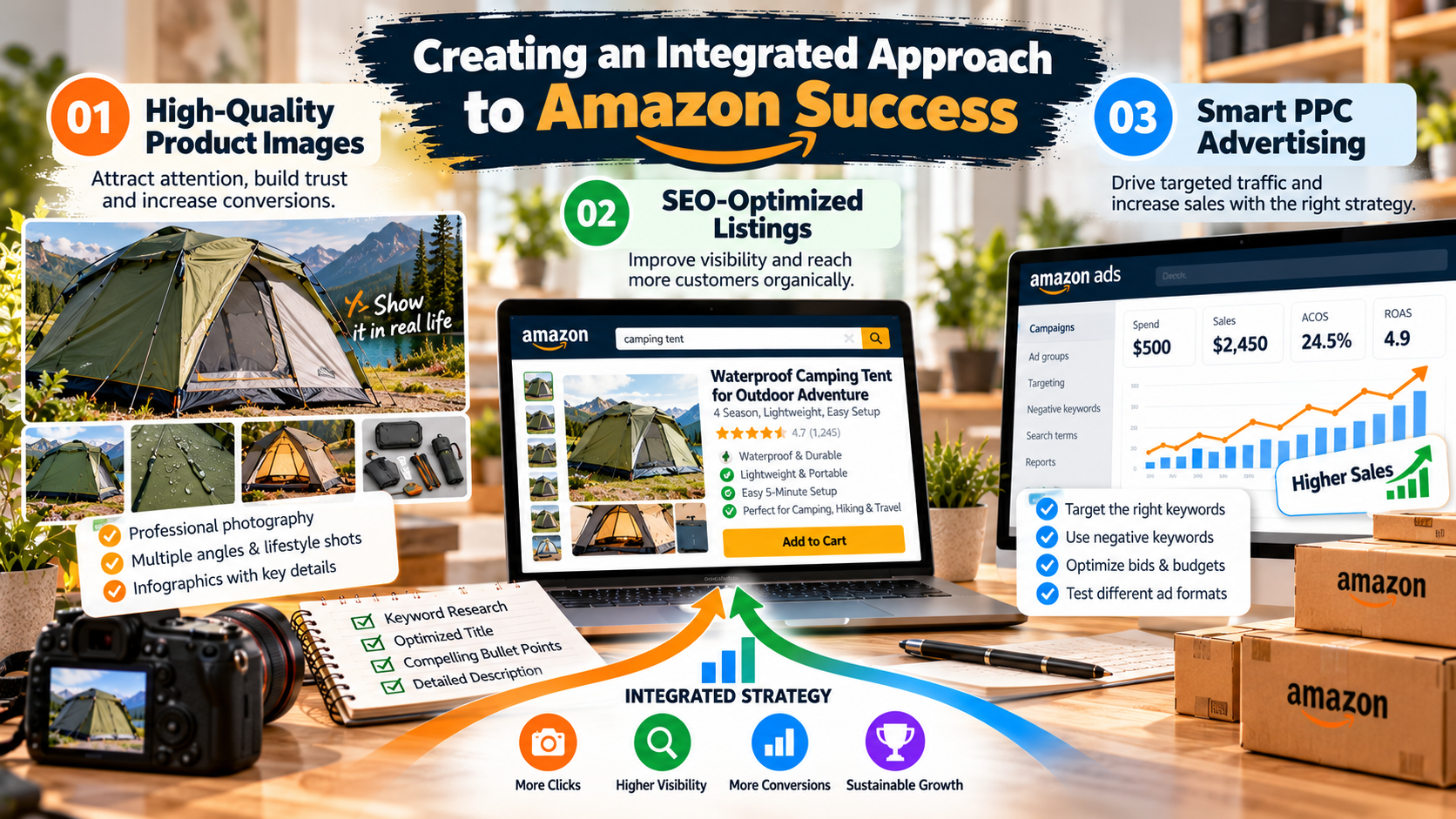
Creating an integrated approach to Amazon success hinges on the seamless combination of high-quality product images, SEO-optimized listings, and strategically executed PPC advertising. Each of these components plays a critical role in building a robust selling strategy that can significantly enhance visibility, trust, and ultimately, sales.
High-Quality Product Images
High-quality product images are not merely aesthetic; they serve as the first point of engagement for potential buyers. According to a 2021 study by eCommerceFuel, listings with high-quality images can see a conversion rate increase of up to 30%. For instance, a seller of outdoor gear, “Mountain Peak Outdoors,” reported a 40% sales boost after revising their product images to include lifestyle shots showcasing products in real-world scenarios. They transitioned from standard white-background images to vibrant, engaging images featuring their products in use, which effectively conveyed the lifestyle associated with their brand.
To ensure your images resonate with your target audience, consider the following best practices:
-
- Use professional photography to highlight product features and details.
-
- Incorporate multiple angles, including close-ups and contextual images.
-
- Utilize infographics that provide size, dimensions, and other key information visually.
SEO-Optimized Listings
SEO optimization plays a vital role in ensuring your products are discoverable. Research shows that nearly 70% of Amazon shoppers click on organic search results rather than sponsored ads. This emphasizes the importance of optimizing product titles, bullet points, and descriptions with relevant keywords.
A case study involving “GadgetGuru,” a tech accessory retailer, illustrates the impact of SEO optimization. By conducting keyword research using tools like Helium 10 and implementing findings into their listings, GadgetGuru increased their organic search rankings from page three to the first page within three months. They strategically used phrases such as “wireless charging pad” and “fast charging for iPhone” in their titles and descriptions, resulting in a 25% increase in organic traffic.
To optimize your listings effectively:
-
- Conduct thorough keyword research focused on your niche.
-
- Write compelling titles that include primary keywords while remaining readable.
-
- Use bullet points to highlight key product features and benefits, and ensure your descriptions answer potential buyer questions.
Smart PPC Advertising
While organic reach is crucial, well-managed PPC campaigns can dramatically enhance visibility. A well-structured PPC strategy allows sellers to target specific demographics and keywords, ensuring that ads appear to the right audience.
For example, “EcoHome,” a seller of sustainable home goods, leveraged Amazon PPC campaigns by initially allocating $500 monthly, focusing on keywords that aligned with eco-friendly products. After analyzing the performance metrics, they adjusted their strategy to include negative keywords, eliminating non-converting terms. This meticulous approach led to a 35% reduction in ACOS (Advertising Cost of Sale) and a 50% increase in sales over six months.
To maximize the effectiveness of your PPC campaigns:
-
- Regularly analyze and adjust your bids based on performance data.
-
- Implement negative keywords to filter out irrelevant traffic.
-
- Test different ad formats, including Sponsored Products and Sponsored Brands, to see which yields the best ROI.
Integrating Strategies for Maximum Impact
The integration of these three strategies creates a synergistic effect that can lead to sustainable growth. For instance, the combination of engaging product images with optimized listings enhances trust and encourages purchases. Similarly, effective PPC advertising can drive traffic to these optimized listings, further amplifying conversions.
Consider creating a feedback loop where data from PPC campaigns informs your SEO and image strategies. For example, if certain keywords are driving traffic but not conversions, revisit your product images and listings to ensure they meet customer expectations.
By adopting a holistic approach that combines high-quality visuals, SEO best practices, and intelligent PPC management, Amazon sellers can not only improve their sales figures but also build a credible and trusted brand presence in a competitive marketplace. This integrated strategy empowers sellers to navigate the complexities of the Amazon landscape while achieving long-term success.

Your Next Steps: A Call to Action for Sellers
Improving Amazon sales requires a strategic approach that combines high-quality product images, SEO-optimized listings, and effective PPC advertising. These strategies help increase product visibility, attract potential customers, and improve conversion rates.
-
- Improve Product Images
Professional product images help attract customers and build trust. Use clear, high-resolution photos, lifestyle images, and infographics to highlight product features and benefits. Tools such as Adobe Photoshop and Canva can improve image quality while ensuring compliance with Amazon’s image requirements.
-
- Optimize Amazon SEO Listings
SEO optimization improves product visibility in Amazon search results. Use keyword research tools such as Helium 10 and Jungle Scout to identify relevant search terms. Include these keywords naturally in product titles, bullet points, and descriptions. Focus on clear product benefits, accurate information, and unique selling points to encourage purchasing decisions.
-
- Strengthen PPC Advertising
Effective PPC advertising helps attract relevant traffic while controlling advertising costs. Use automatic campaigns to discover valuable keywords, then develop manual campaigns for more precise targeting. Regularly monitor ACoS, ROAS, CTR, and conversion rates. Adjust bids, refine keywords, and remove ineffective targets to improve campaign performance and profitability.
-
- Monitor and Optimize Performance
Continuous monitoring helps identify opportunities for improvement. Use Amazon Seller Central reports to evaluate sales, advertising performance, and listing effectiveness. Conduct A/B testing on eligible product images, titles, and A+ Content to determine which variations improve customer engagement and conversions.
Conclusion
Sustainable Amazon growth depends on professional product presentation, effective SEO optimization, and strategic PPC management. By continuously analyzing performance and making data-driven improvements, sellers can increase visibility, improve conversions, reduce unnecessary advertising costs, and achieve long-term profitability.











コメント